Global Energy Transition 2026: Investment Trends, Policy Drivers & Market Outlook
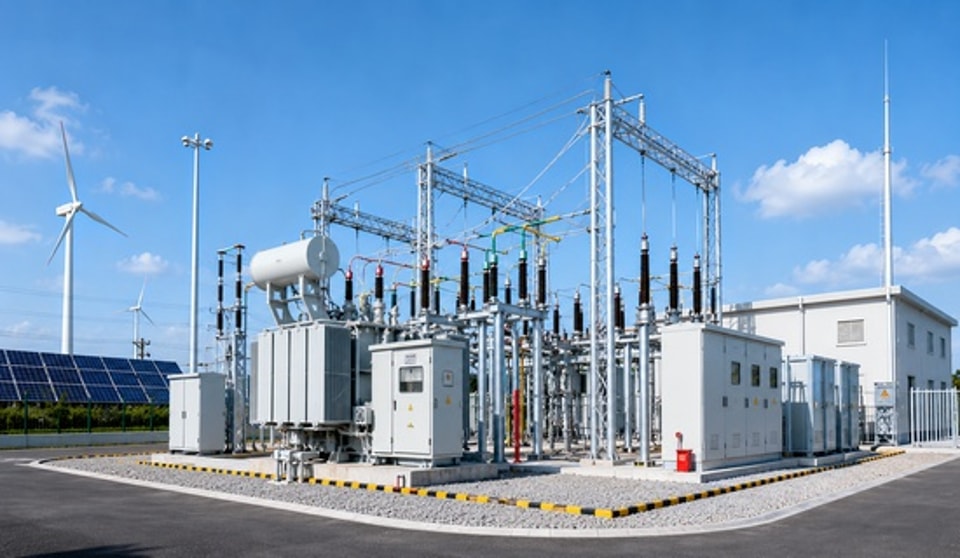
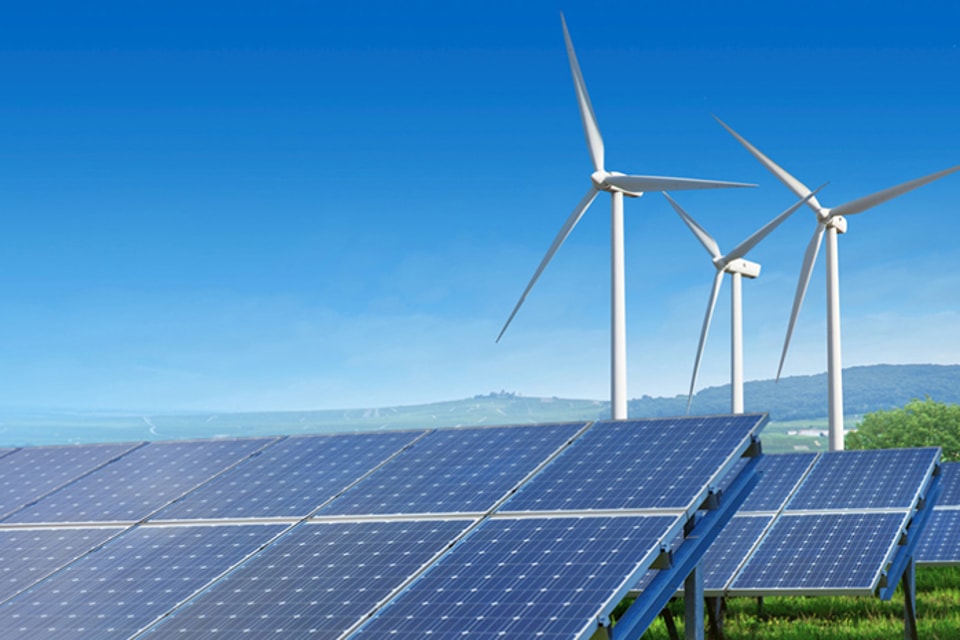
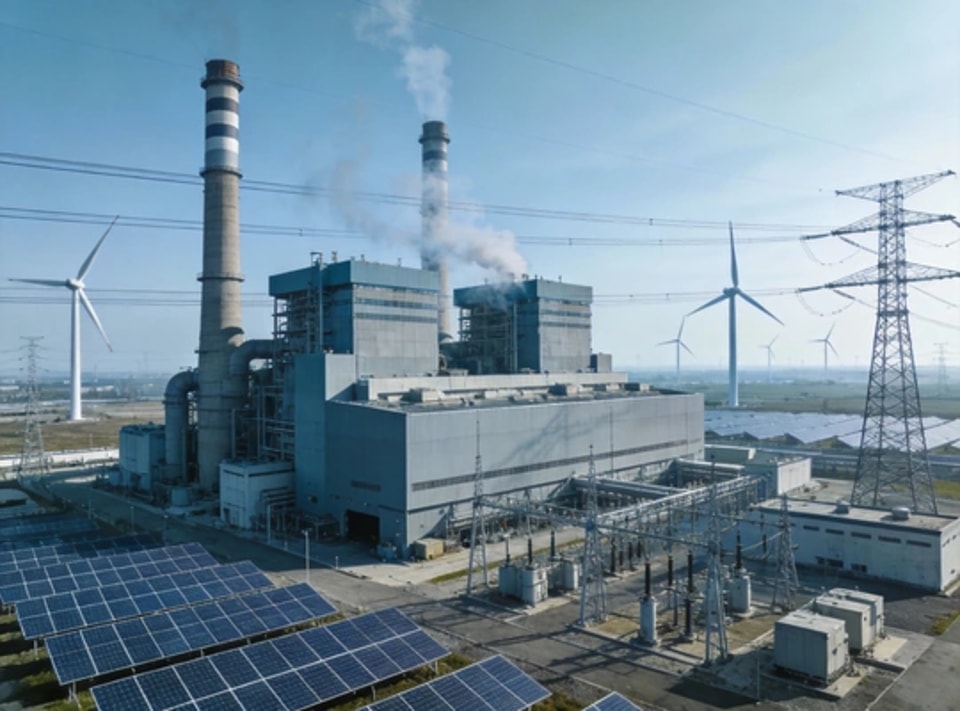
Global clean energy investment surpassed $2 trillion in 2025 for the first time, outpacing fossil fuel investment by 2:1. This analysis examines the key investment trends, policy drivers, and market outlook shaping the energy transition in 2026 and beyond.Investment Highlights1. Solar DominanceSolar PV investment reached $450B in 2025, 380GW installed (new annual record)Module prices stabilized at $0.10-0.12/W after 2024 oversupply correctionUtility-scale solar LCOE: $0.02-0.04/kWh in optimal locations — cheapest electricity source ever2. Battery Storage BoomGrid-scale storage deployment: 120GWh in 2025 (3× versus 2023)LFP cell prices reached $55/kWh, system-level LCOS approaching $0.05/kWh for 4-hourSolar-plus-storage becoming default configuration for new utility PV projects3. Offshore Wind Acceleration30GW of offshore wind under construction globally across 15 countriesFloating offshore wind moving from pilot to commercial scale (>100MW projects)Turbine sizes reaching 16-18MW for fixed-bottom and 15MW for floating platformsPolicy DriversRegionKey PolicyTargetUSAIRA clean energy tax credits80% clean power by 2030EUREPowerEU + Net Zero Industry Act42.5% RE share by 2030China14th Five-Year Plan + dual carbon1,200GW wind+solar by 2030India500GW non-fossil by 203050% RE capacity by 20302026 OutlookAnalysts project 420-450GW of solar, 130GW of wind, and 180GWh of storage deployment in 2026. Key risks include grid interconnection bottlenecks, permitting delays, and trade policy uncertainty around solar module tariffs. Opportunities lie in emerging markets, repowering aging wind farms, and long-duration energy storage commercialization.
Grid Modernization: How Smart Grids and Virtual Power Plants Are Reshaping Electricity
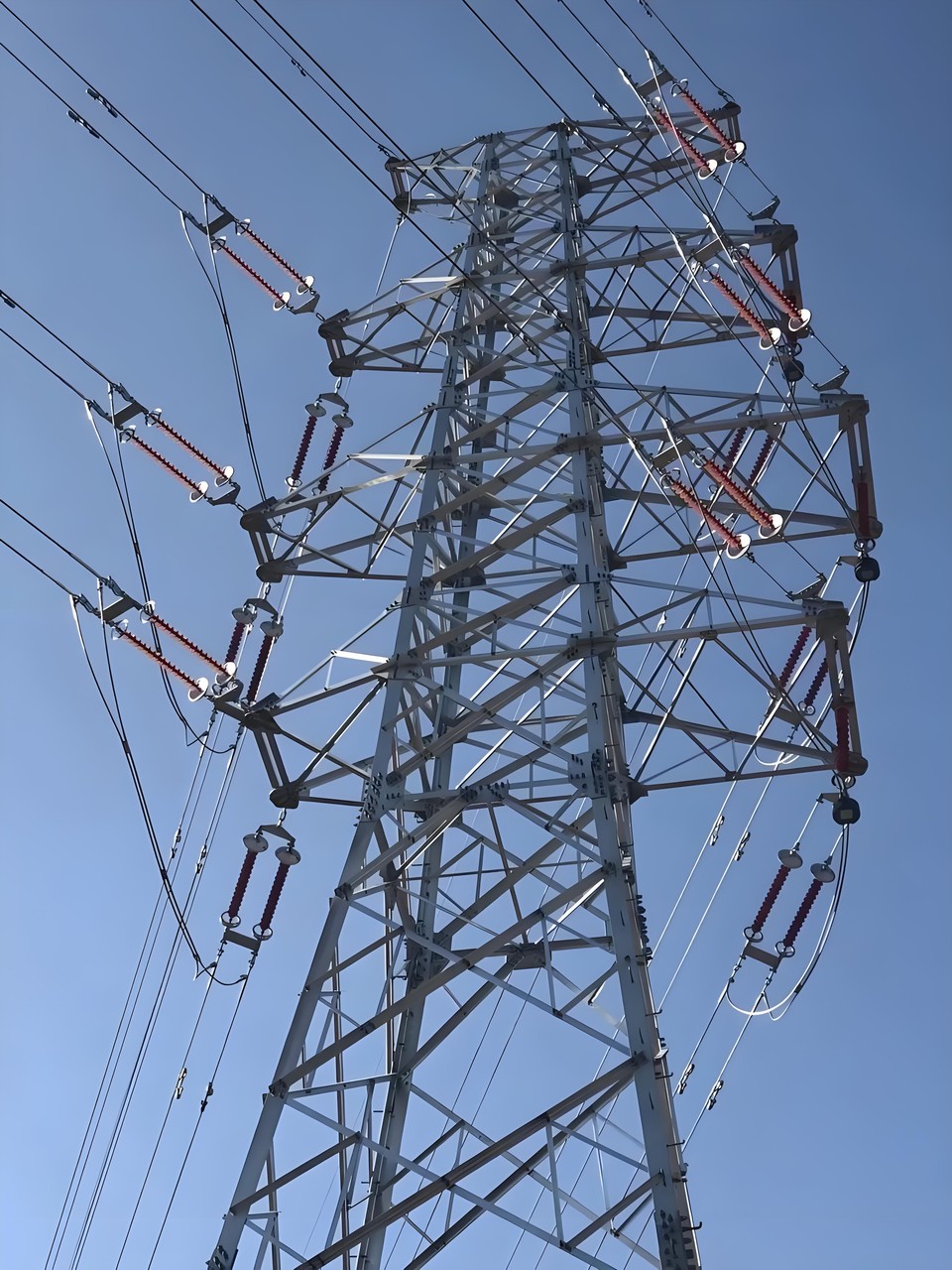
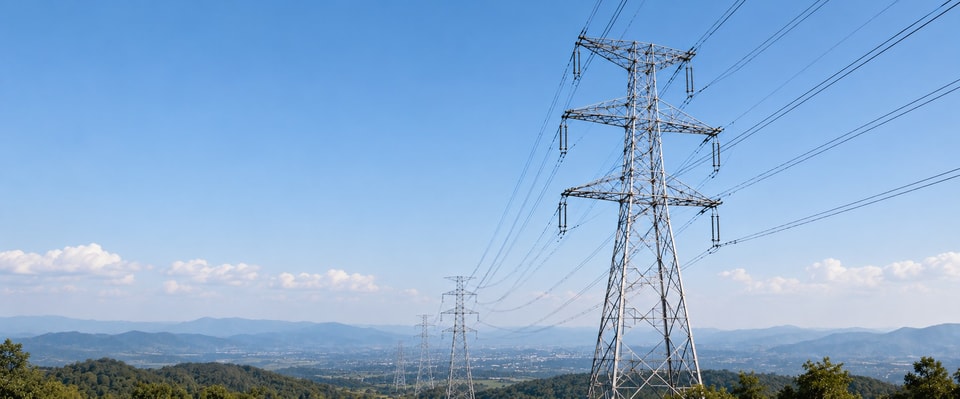
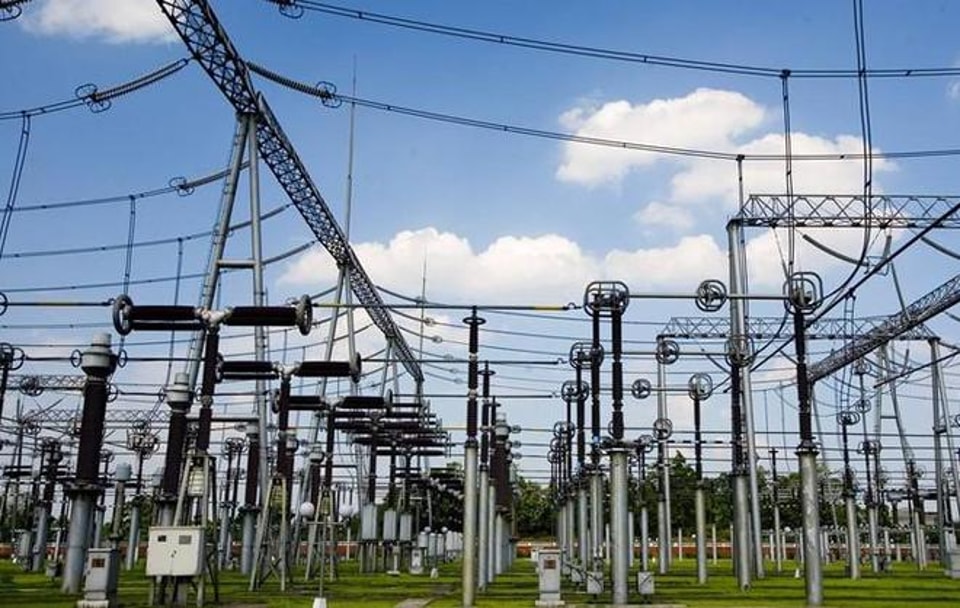
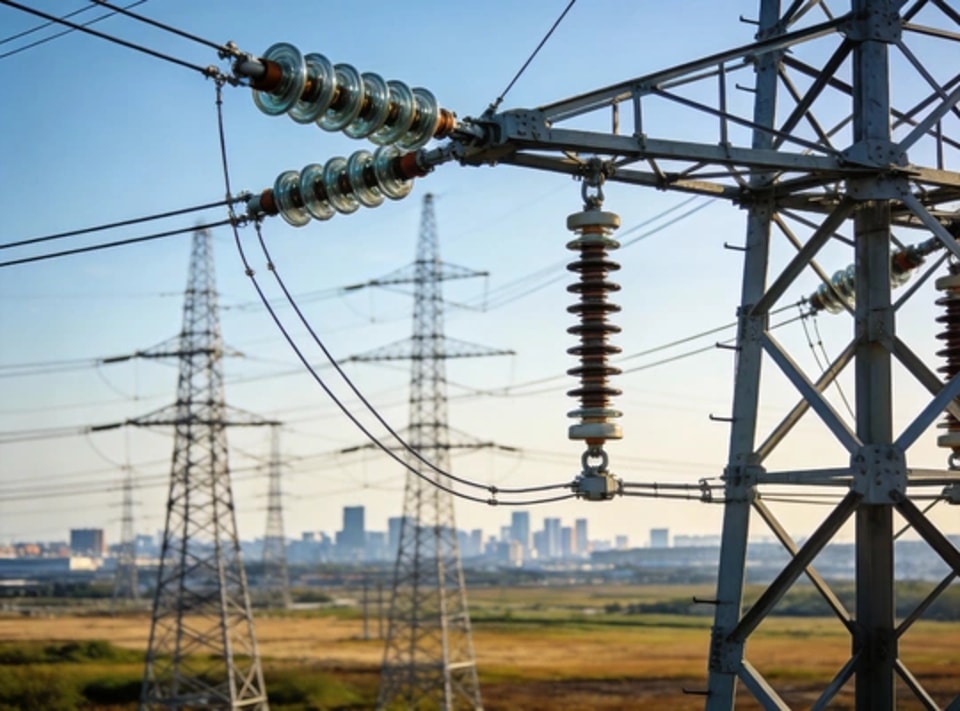
The electricity grid is transforming from a one-way, centralized delivery network into a dynamic, bidirectional, digitally-managed ecosystem. Smart grid technologies and virtual power plants (VPPs) are enabling this transformation while maintaining reliability and reducing costs.Smart Grid TechnologiesAdvanced Metering Infrastructure (AMI): 1.2 billion smart meters installed globally, providing 15-minute interval consumption data and enabling demand response programsDistribution Automation: Self-healing grids with automated fault detection, isolation, and restoration (FDIR) reducing outage duration by 60-80%Grid-Edge Intelligence: Smart inverters, DERMS (Distributed Energy Resource Management Systems), and edge computing enabling real-time optimization of millions of distributed assetsVirtual Power PlantsAggregation: Combining thousands of distributed solar, storage, EV, and flexible load assets into a single dispatchable resourceMarket participation: VPPs now bidding into wholesale energy, capacity, and ancillary service markets alongside conventional generatorsScale: Global VPP capacity exceeded 90GW in 2025, projected to reach 250GW by 2030Grid Investment OutlookSegment2025 Investment2030 ProjectedGrowthTransmission$180B$300B+67%Distribution$220B$380B+73%Smart Grid IT$45B$95B+111%EV Charging$60B$150B+150%Grid investment is the critical enabler of the energy transition. Without transmission expansion and distribution upgrades, renewable energy deployment will face bottlenecks. Templates035 is expanding our grid infrastructure portfolio to address this growing market opportunity.
Our Address



Product Gallery