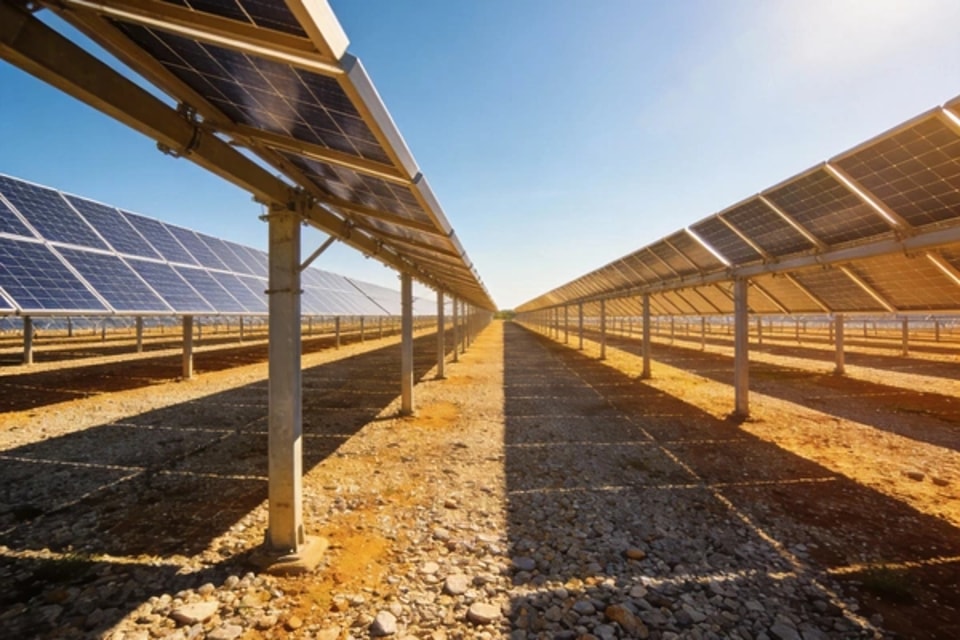
Next-Generation TOPCon Solar Cells Break 26% Efficiency Barrier
Templates035 R&D division announces that our next-generation TOPCon solar cells have achieved a certified conversion efficiency of 26.2% on full-size commercial wafers (182mm M10), verified by Fraunhofer ISE CalLab, surpassing the previous industry record and approaching the theoretical single-junction silicon limit.Technology BreakthroughCertified efficiency: 26.2% on 182mm M10 wafer (Fraunhofer ISE CalLab verified)Key innovation: Poly-Si/SiOx passivated contact with ultra-thin (Metallization: LECO (Laser-Enhanced Contact Opening) with fine-line silver paste (Passivation: Al2O3/SiNx rear surface with field-effect passivation achieving J0 Path to Mass ProductionPilot line producing 10,000 cells/day at 25.8% average efficiencyFull production line (GW-scale) conversion scheduled for H2 2026Expected module-level efficiency: 23.5-24.0% (700W+ panel rating)Manufacturing cost premium: Industry SignificanceThis achievement narrows the gap to heterojunction (HJT) and perovskite-silicon tandem technologies while maintaining TOPCon's significant manufacturing cost advantage and compatibility with existing PERC production equipment through retrofit upgrades.
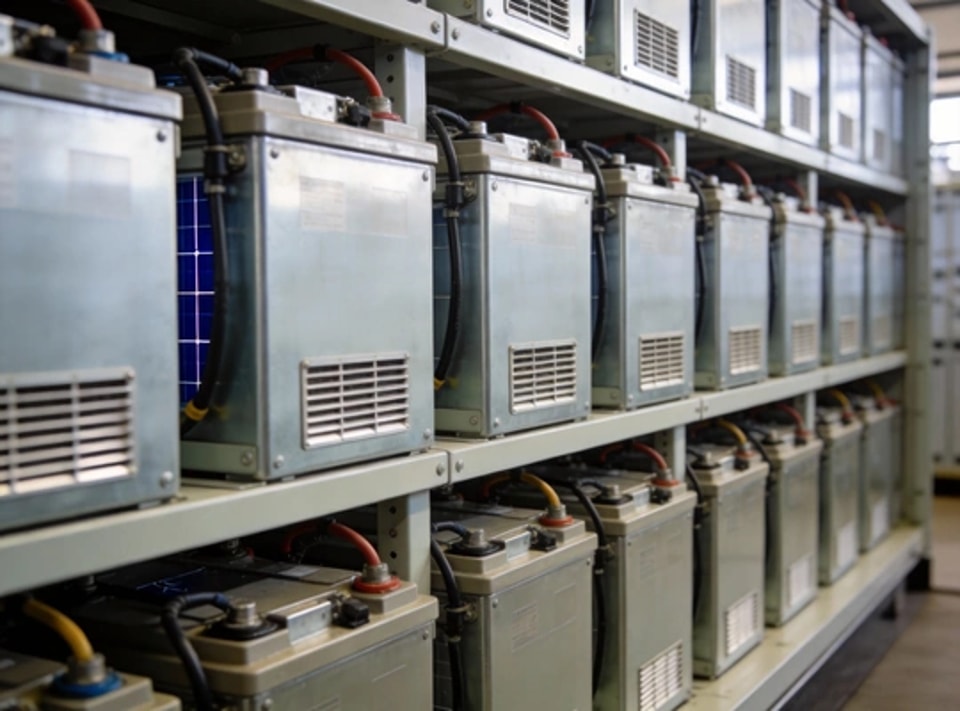
Sodium-Ion Battery Storage: The Emerging Alternative to Lithium for Grid Applications
Templates035 introduces our first sodium-ion battery energy storage system (Na-ion BESS), targeting grid-scale applications where cost-effectiveness and supply chain independence are prioritized over energy density. This article examines the technology, performance, and market positioning of sodium-ion versus lithium-ion for stationary storage.Na-Ion vs LFP ComparisonParameterNa-Ion (Templates035)LFP (Templates035)Energy Density140 Wh/kg (cell)170 Wh/kg (cell)Cycle Life4,000+ @ 90% DOD6,000+ @ 90% DODTemperature Range-30°C to +60°C-20°C to +55°CDischarge to 0VYes (safe transport)No (minimum 20% SOC)Raw Material Cost30-40% lowerBaselineSupply ChainNo lithium/cobalt neededLithium dependentAdvantages for Grid StorageExtreme temperature: Operates -30°C to +60°C without heating/cooling, reducing BOS costs by 15%Safe transport: Can be discharged to 0V and shipped as non-hazardous goods (UN38.3 exempt)Material abundance: Sodium, iron, manganese — no geopolitical supply riskCost trajectory: Expected to reach $50/kWh cell cost by 2028 (vs. $65/kWh for LFP)Target ApplicationsNa-ion BESS is ideally suited for grid-scale peak shaving (2-4 hour duration), frequency regulation, and renewable energy time-shifting in regions with extreme temperature ranges. For long-duration storage (>4 hours) and space-constrained applications, LFP remains the preferred choice due to higher energy density and longer cycle life.
Our Address



Product Gallery